
Citizenship by Investment
Five Caribbean programs, each granting a second passport outright in exchange for a government-approved donation, real estate purchase, or bond. No prior residency required in most cases.
Five jurisdictions, one outcome: a second passport
Every figure below is the published minimum for a single applicant. Family size, due diligence fees, and government processing fees can adjust the final total.

St. Kitts & Nevis
KNA · CaribbeanEstablished in 1984, this is the oldest citizenship by investment program in the world. It grants visa-free access to 150+ countries, including the UK and the Schengen Zone.
- Visa-free access to 150+ countries
- Commonwealth citizenship
- Spouse and dependants included
- Zero tax on foreign income
- Renewable citizenship, 5-year cycle
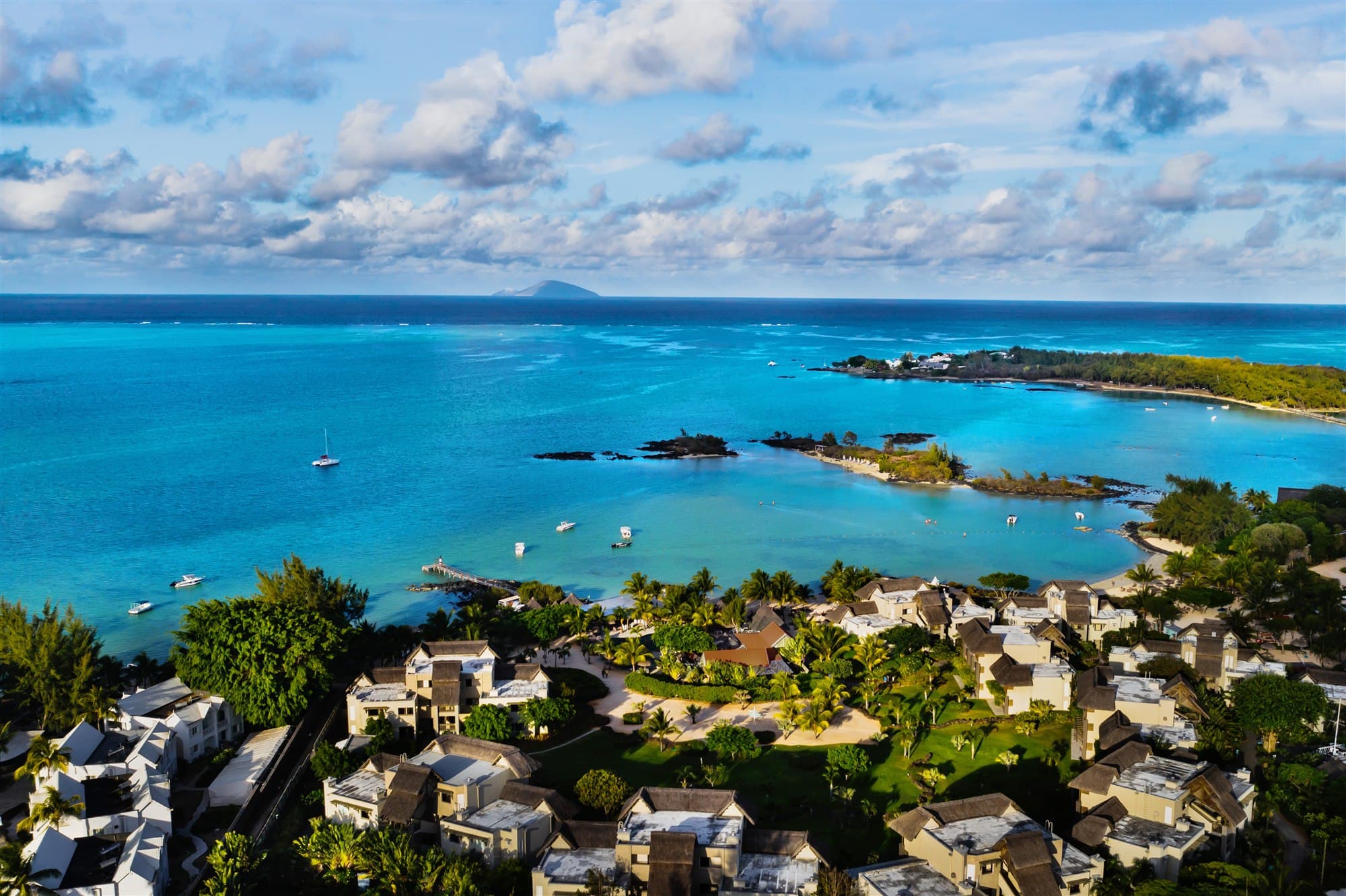
St. Lucia
LCA · CaribbeanLaunched in 2015, applicants choose between a $240,000 donation for a family of four or a $300,000 refundable bond investment.
- Visa-free access to 146 countries
- No residency requirement
- Tax incentives, multiple investment routes
- Commonwealth citizenship
- Refundable bond route available

Antigua & Barbuda
ATG · CaribbeanA $230,000 NDF donation or $300,000 real estate investment unlocks visa-free access to 150+ countries. Lifelong rights require just 5 days of residence within the first 5 years.
- Visa-free access to 150+ countries
- Commonwealth citizenship
- Spouse and dependants included
- Zero tax on global income
- Renewable citizenship, 5-year cycle
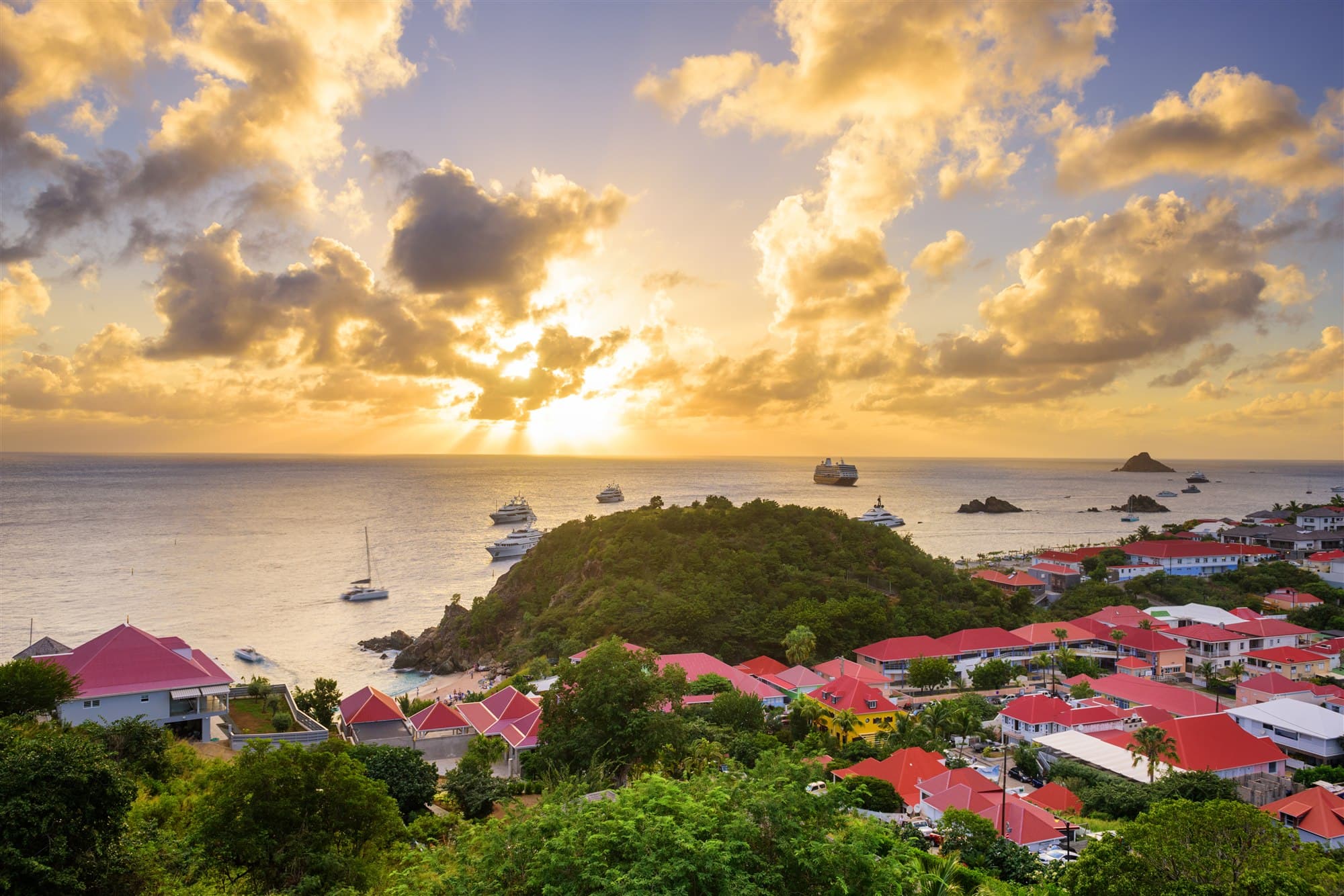
Dominica
DMA · CaribbeanEstablished in 1993, Dominica grants citizenship for a $200,000 Economic Diversification Fund donation or a qualifying real estate investment, the lowest entry point on this list.
- Visa-free access to 140 countries
- No prior or post-approval visit required
- Zero tax on income, wealth, or inheritance
- Lifetime citizenship
- Strong privacy legislation
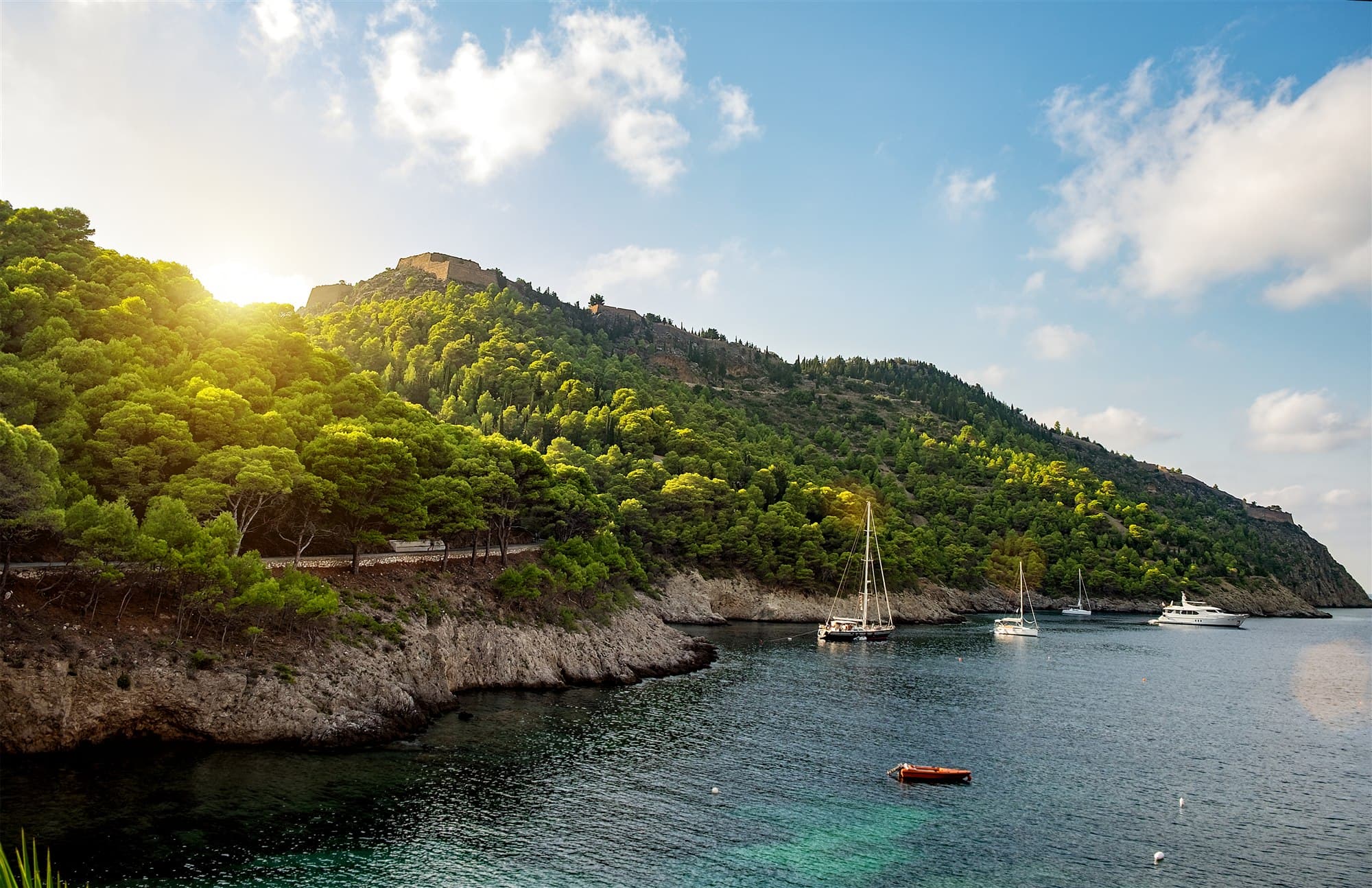
Grenada
GRD · CaribbeanA $235,000 NTF donation or $270,000 real estate investment gets you here. Grenada is the only Caribbean program that also opens eligibility for the US E-2 Investor Visa.
- Access to the US E-2 Investor Visa
- Visa-free travel to 146 countries, incl. China & Schengen
- Commonwealth membership
- Zero tax on foreign income
- Family-friendly inclusion rules
Compare all five at a glance
A real estate or bond route is refundable after a holding period; a donation is not, but is typically the fastest route to approval.
| Country | Donation From | Alternate Route | Timeframe | Visa-Free Access |
|---|---|---|---|---|
| St. Kitts & Nevis | $250,000 | $325,000 (Real Estate) | 3–4 months | 150+ countries |
| St. Lucia | $240,000 | $300,000 (Bond) | 4–5 months | 146 countries |
| Antigua & Barbuda | $230,000 | $300,000 (Real Estate) | 4–6 months | 150+ countries |
| Dominica | $200,000 | N/A | 6–8 months | 140 countries |
| Grenada | $235,000 | $270,000 (Real Estate) | 6–8 months | 146 countries, incl. China & Schengen |
What a second passport actually changes
Beyond the paperwork, this is what citizenship by investment is bought for.
Global mobility
A second passport opens visa-free or visa-on-arrival travel to well over a hundred destinations, removing the visa-application friction that comes with a single, restrictive passport.
Security & optionality
Citizenship in a politically stable jurisdiction is a hedge. It's a place to live, bank, and raise a family if circumstances at home ever change, held in reserve rather than used.
Favourable tax environments
Every program on this page levies no tax on foreign income. That doesn't change your existing tax residency or obligations, so a qualified tax advisor should confirm how a second citizenship interacts with your specific situation.
Business & investment access
Commonwealth citizenship and, in Grenada's case, US E-2 Investor Visa eligibility open banking relationships, business registration, and investment routes that are harder to access on a single nationality.
Family inclusion
Every program on this page extends to a spouse and dependent children on a single application, so the passport becomes a family asset rather than an individual one.
Before you choose a citizenship route
Will I need to give up my existing citizenship?
No. All five Caribbean programs on this page permit dual (or multiple) citizenship, and none require you to renounce your current nationality. Whether your home country recognises dual citizenship is a separate question worth confirming before you apply.
What does the due diligence process actually check?
Each government unit runs background checks covering criminal history and source of funds, and depending on the program, an interview or biometric verification. The government runs this, not us; our role is to pre-clear a case before you commit funds, so a foreseeable issue surfaces early rather than after the government fee is paid.
Donation, real estate, or bond: which route should I choose?
A donation is non-refundable and typically the fastest route to approval. Real estate is a larger up-front commitment but can be resold after a holding period (usually 5–7 years), recovering part of the cost. A bond, where offered, sits between the two. The right choice depends on whether speed or capital recovery matters more to you.
Can citizenship be revoked after it's granted?
Citizenship by investment is treated as permanent once granted, though a government can revoke it if the original application involved fraud or if the citizen is later convicted of a serious crime. It isn't conditional on continued residence or investment.
Tell us your priorities, and we'll narrow it to one
Speed, budget, visa-free destinations, or E-2 eligibility: a short consultation settles which program is actually worth pursuing.
Ready to get started?
Send us a few details and a case advisor will respond within one business day.